Home
HomeHAPPY NATIONAL DAY
Wishing everyone a happy National Day holiday.
Modern custom creative stationery faces severe shelf homogenization across global retail channels. While most manufacturers focus on basic shape and color customization, surface finishing has quietly become the core invisible factor that determines in-store attraction and consumer willingness to pay. This article explores how systematic surface finishing strategies help custom stationery break through crowded retail displays, achieve differentiated branding, and improve overall market competitiveness.
High-end custom stationery no longer relies entirely on post-print decoration. The texture and tactile performance preset at the raw material level fundamentally improves product grade and shelf recognition. Different plastic and paper substrates carry unique natural surface characteristics that define the product’s base visual tone, forming a stable and cost-effective differentiation advantage for mass retail sales. Some experienced manufacturers continuously optimize raw material surface formulas to adapt to long-term global retail trends and eco-friendly market demands.
Secondary surface treatment complements the limitations of base material texture, bringing richer layering, gloss contrast and brand texture to finished stationery products. Mature post-processing finishing techniques help brands achieve delicate visual upgrades without changing product structures, making custom stationery more suitable for boutique display and high-end market positioning.
File folders occupy the largest proportion of daily office and school retail stationery. Their surface finishing needs to balance durability, anti-scratch performance and long-term shelf display effect. Different retail positioning determines the matching surface style, enabling products to maintain stable visual appeal whether placed in bulk discount areas or brand exclusive display areas.
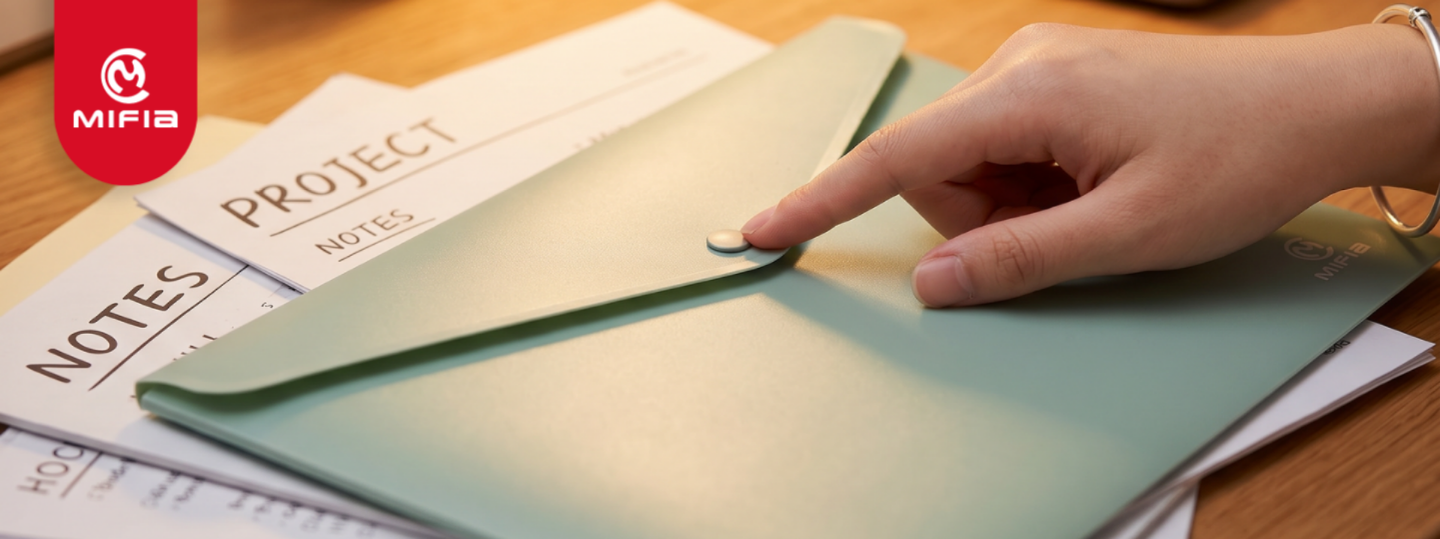
As high-frequency exposed stationery products, book covers require surface finishing that adapts to long-term friction and daily wear. Reasonable surface treatment can effectively avoid common problems such as fingerprint residue and surface fading, while improving overall texture to meet the aesthetic needs of student and consumer markets.
Zipper pouches and pencil bags are typical impulse consumption products placed at supermarket checkout counters. Their surface design needs strong instant visual impact. Delicate surface layering and unique tactile expression can effectively capture fleeting consumer attention in cluttered shelf environments.
Consumer purchase decisions for creative stationery are highly dependent on visual first impressions. Advanced surface finishing creates effective visual differentiation within the fixed field of retail vision, helping products stand out from a large number of homogeneous flat-style stationery. Proper texture and gloss design can enhance product premium perception, indirectly increasing consumer acceptance of premium pricing and repeat purchase willingness.
With the continuous upgrading of global environmental protection regulations and retail ESG assessment standards, low-pollution, eco-compatible surface finishing has become a necessary condition for stationery products to enter mainstream European, American and Oceanian retail markets. Recyclable substrate surface treatment and non-toxic compliant coating technology have gradually become industry mainstream standards. Factories with mature eco-finishing systems can better support long-term brand market expansion.
Excellent finishing design requires a balanced consideration of retail positioning, production cost, durability and environmental compliance. Blindly pursuing complex craftsmanship will lead to cost redundancy and unstable mass production effects. Reasonable matching of base material texture and post-decoration technology is the most reliable solution for long-term retail sales. For small and medium batch trial orders, stable and standardized finishing solutions from professional OEM manufacturers can effectively reduce market trial risks.
Advanced surface finishing is not a simple decorative upgrade, but a systematic visual and tactile optimization strategy tailored for custom creative stationery retail. Scientific surface design helps brands get rid of homogeneous competition, form unique shelf recognition, and create sustainable product competitiveness in the global custom stationery market.
If you need professional, eco-friendly custom surface finishing solutions for your stationery products, feel free to contact us for customized design and bulk production support.
Durable, scratch-resistant matte and textured substrate finishing is ideal for long-term shelf display. These finishes resist daily dust accumulation, fingerprint marks and minor abrasions during stacking and display, maintaining a fresh, premium look for months. Compared with glossy surfaces that easily show wear, such practical finishing balances aesthetic appeal and long-term usability for retail stationery.
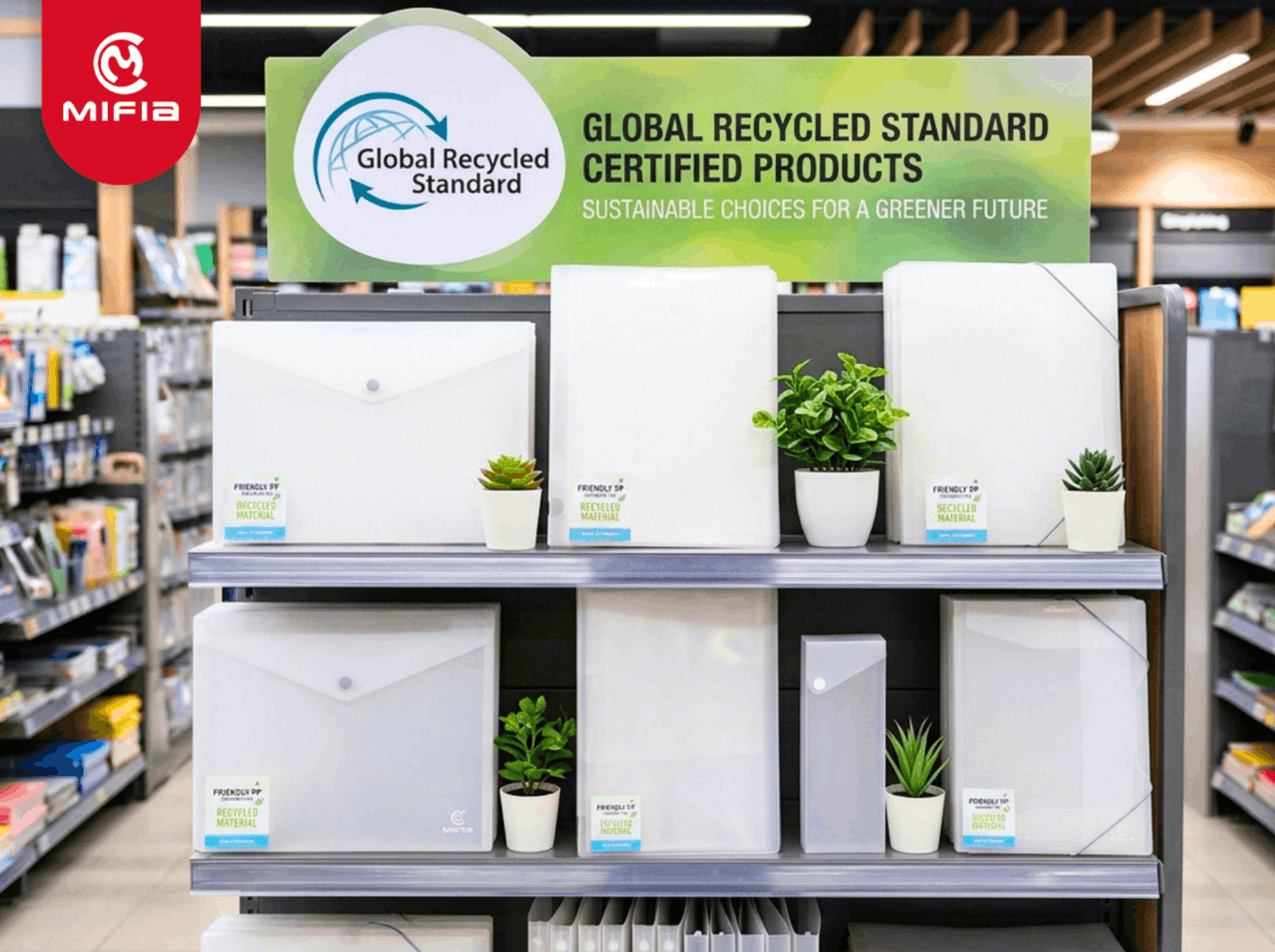
Global mainstream retail markets enforce strict ESG and environmental compliance standards. Eco-friendly finishing that adopts recyclable substrates and non-toxic, low-VOC compliant coatings helps stationery products meet EU REACH and global GRS certification requirements. Products with qualified eco-finishing can smoothly enter European, American and Oceanian mainstream supermarkets, avoiding export customs clearance risks and market access barriers.
The most cost-effective approach is to prioritize inherent substrate texture finishing for bulk orders and supplement with targeted post-production decoration for key product details. This strategy avoids excessive costs from full-scale complex craftsmanship while retaining differentiated shelf appeal. Partnering with professional OEM manufacturers with mature eco-finishing and mass production systems also helps stabilize costs and guarantee consistent product quality in large-batch customization.

Wishing everyone a happy National Day holiday.
Which type of pencil case gives my product range the right balance of function, appearance and comme
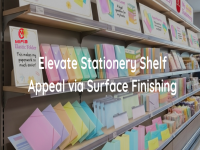
Boost sales with premium surface finishing for custom stationery. Enhance shelf appeal, build brand

Looking for reliable heavy-duty file folders? We combine advanced material science with precision ha
Scale your stationery brand with MIFIA. We offer flexible ODM/OEM solutions, pre-tested prototypes,
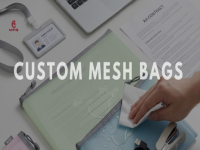
How to Choose Custom Mesh Bags for Bulk Orders (Size, Material & Design Opti...
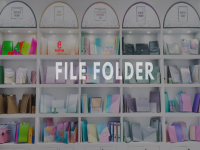
In today's dynamic business environment, effective organization is no longer a l...
Which type of pencil case gives my product range the right balance of function, ...
Boost sales with premium surface finishing for custom stationery. Enhance shelf ...
Looking for reliable heavy-duty file folders? We combine advanced material scien...