Home
HomeHAPPY NATIONAL DAY
Wishing everyone a happy National Day holiday.
For procurement managers and office supply wholesalers seeking long-term reliability, the secret to a high-performing Heavy-Duty File Folder lies in the engineering. You deserve more than basic storage; you need hardware precision that effectively minimizes mechanical risks. Discover how our premium hardware engineering elevates daily file management, balancing operational stability with a refined professional brand image.
In an era dominated by digital workflows, the physical workspace remains a critical touchpoint. High-performance filing is not merely about storage; it is about the tactile interaction between user and tool. The quality of a File Folder relies on its hardware—a silent, engineered foundation that determines whether an archive is an accessible asset or a daily source of frustration.
A folder’s overall functional experience relies heavily on refined mechanical kinematics. In premium-grade hardware development, mathematical modeling fine-tunes the elastic modulus of internal torsion springs, delivering consistent and linear resistance throughout every opening and closing cycle. With such precisely calibrated mechanics, you rarely run into abrupt snapping or jerky shifting when pulling out stacked documents, a frequent annoyance found on cost-cut generic alternatives.
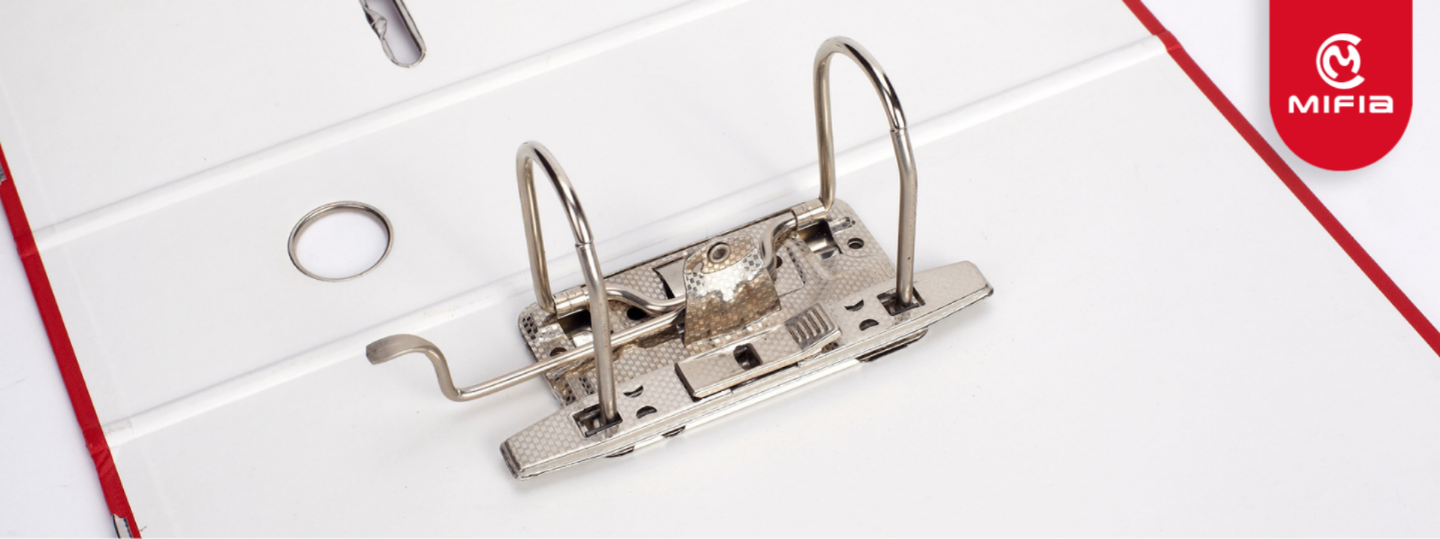
Long-term hardware reliability stems from intentional metallurgical optimization. While mass-produced budget folders mostly deploy plain carbon steel susceptible to fatigue after frequent loading, premium hardware adopts high-gauge spring steel with superior tensile and fatigue performance. Should you store thousands of filed sheets for years on end, this material composition greatly curbs permanent bending and structural fatigue.
Strict dimensional tolerance control is enforced during stamping and forming processes to narrow excess clearance between mated components. By restricting redundant internal play and subtle structural shake, premium hardware slows cumulative mechanical wear, postponing the gradual performance decline you typically witness in low-cost folder hardware after months of regular heavy-duty usage.
The journey from raw metal to a finished folder component involves several critical engineering phases. Industrial-grade production utilizes high-pressure stamping to shape the metal, which simultaneously strain-hardens the material, significantly improving structural rigidity. This is essential for ensuring that the hardware resists permanent deformation under high pressure.
Once the shape is set, surface engineering becomes the primary defense against environmental wear. Advanced plating and eco-friendly powder coating techniques are employed to create a robust barrier against oxidation. Finally, the integration phase is where the mechanical integrity is cemented. Reliable riveting methods ensure that the force applied during folder usage is distributed across the entire contact surface, preventing the hardware from pulling away from the spine even after years of high-frequency operation.
Optimized leverage points in ring designs allow for significantly increased holding capacity, ensuring that even when the folder is packed to its maximum limit, the rings remain perfectly aligned.
By reinforcing the base plate where it meets the folder spine, the "tilting" effect that occurs when hardware buckles under the weight of heavy paper stacks is effectively prevented.
A premium folder should not require significant physical effort to open. Triggers engineered with ergonomic profiles ensure a smooth, tactile experience that maintains user comfort during heavy archiving tasks.
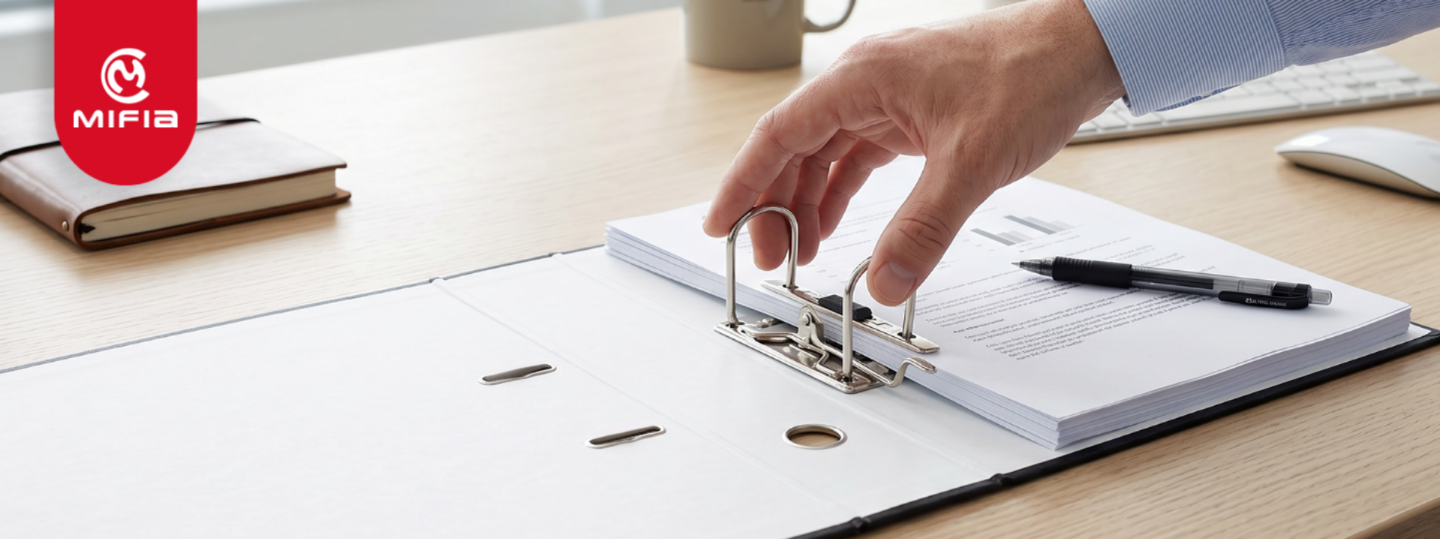
Quality must be verified through rigorous, standardized testing protocols. To validate the longevity of hardware, mechanisms are typically subjected to thousands of open-close cycles, simulating years of intensive office use. This fatigue cycle testing ensures the mechanical feedback remains consistent throughout the product’s lifecycle.
Beyond durability, static load tests confirm that the rings do not deform under heavy document stacks. Furthermore, environmental aging tests expose components to controlled humidity and temperature cycles. This ensures that the finish and mechanical properties of the products remain stable, regardless of whether they are destined for a humid coastal region or a dry, temperate climate.
To better understand the value of engineering, we can look at the comparative metrics between premium and standard folder components.
Feature | Standard Hardware | Premium Engineered Hardware |
Material | Standard Carbon Steel | High-Gauge Spring Steel |
Tolerance | High (leads to "play") | Low (tight, precision-fit) |
Fatigue Resistance | Low (deforms after ~500 cycles) | High (stable after 5,000+ cycles) |
Surface Finish | Thin plating (prone to rust) | Multi-layered anti-corrosion coating |
Lifecycle Cost | High (frequent replacement) | Low (long-term durability) |
As shown, the real cost of a folder is its total lifecycle cost. Premium hardware, similar to the durability expected from a Book Cover or a high-quality Zipper Pouch, reduces the need for frequent replacements, saving businesses time and resources over years of operation.
Reliability is not an accident; it is the result of focused structural engineering. By integrating high-performance components into your inventory, you provide users with a consistent, professional experience that reflects well on your brand. Whether you are sourcing specialized Creative Stationery or high-capacity filing solutions, Mifia is committed to advancing the standards of office hardware. We invite you to contact our team for professional consultation on your next procurement requirements.

Wishing everyone a happy National Day holiday.
Which type of pencil case gives my product range the right balance of function, appearance and comme
Boost sales with premium surface finishing for custom stationery. Enhance shelf appeal, build brand
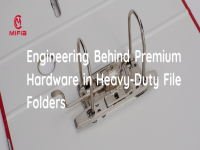
Looking for reliable heavy-duty file folders? We combine advanced material science with precision ha
Scale your stationery brand with MIFIA. We offer flexible ODM/OEM solutions, pre-tested prototypes,
How to Choose Custom Mesh Bags for Bulk Orders (Size, Material & Design Opti...
In today's dynamic business environment, effective organization is no longer a l...
Which type of pencil case gives my product range the right balance of function, ...
Boost sales with premium surface finishing for custom stationery. Enhance shelf ...
Looking for reliable heavy-duty file folders? We combine advanced material scien...